sat 28 10.00
– Embodied Beginnings
A Gentle Entry into the Festival Journey
This ‘landing’ workshop is a gentle, welcoming space designed to help you transition from the rhythm of daily life into the rich, embodied practices of the festival. It is a liminal space—a threshold—where self-inquiry takes center stage, inviting you to slow down, tune in, and reconnect with your body, mind, and spirit. Here, we create a container for sensitive exploration, allowing you to arrive fully in your practice while beginning to engage with the festival’s overarching philosophy of curiosity, connection, and community.
Think of this workshop as a sandbox: a place to play, experiment, and approach your practice with an open, inquisitive mind. Through guided explorations, we will delve into socially engaged creativity, discovering how our individual experiences can intersect with and enrich the collective. Performance-generating tasks will encourage you to uncover new pathways of expression, while community-oriented thinking will emphasize the importance of shared support and collaboration.
This workshop is more than just a starting point—it is an invitation to ground yourself in the present moment, to listen deeply to your own needs, and to step into a space of mutual care and discovery. Together, we will lay the foundation for a festival experience rooted in deeper connectivity, authentic engagement, and genuine collegial support. Whether you are here to explore, grow, or simply be, this workshop offers a nurturing environment to begin your journey.
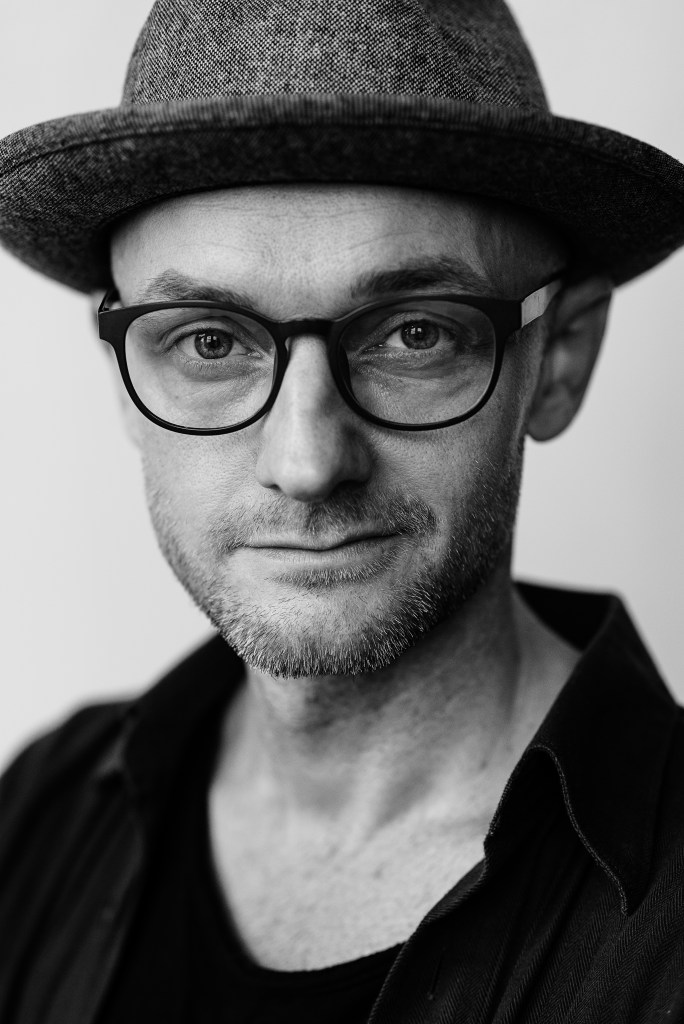
Phil Sanger is a doctoral researcher at the Guildford School of Acting, University of Surrey, where his work delves into autobiographical dance performance through performance-generating systems which use of life coaching as a creative medium. A dynamic self-producing artist, Phil brings a wealth of experience as a performer, choreographer, teacher, and certified life coach, crafting a career that bridges artistic excellence with meaningful social impact.
Trained at the Electric Theatre and Northern School of Contemporary Dance, Phil has performed with acclaimed companies such as Phoenix Dance Theatre, Shobana Jeyasingh Dance Company, and Slanjayvah Danza, working with choreographers including Hofesh Schechter, Richard Alston, and Aletta Collins. His freelance career has seen collaborations with Rui Horta, Vincent Dance Theatre, and Denada Dance Theatre, as well as credits in BBC productions like Jonathan Strange and Mr Norrell and Kit Monkman’s Macbeth.
A champion of representation in the arts, Phil has led numerous projects with support from Arts Council England, earning recognition as the 2021 Transform Clore Fellow for inclusion in leadership. In 2022, he founded Ramped, an inclusive performance company creating opportunities for underrepresented groups.
As a former faculty member at the Northern School of Contemporary Dance (2016–2023), Phil developed innovative teaching practices and choreographed extensively for public performances. His workshops blend technical expertise with a supportive, empowering approach, offering transformative experiences for participants of all levels.
sat 28/2 13.00
– Craniosacral into movement
Perception as Practice – A Biodynamic Exploration
This workshop explores improvisation and contact as practices of embodied listening, drawing on principles from Craniosacral Biodynamics. Through somatic awareness, touch, and simple movement structures, we explore how biodynamic concepts can inform movement practice, allowing the body’s intelligence to guide perception, timing, and relation.
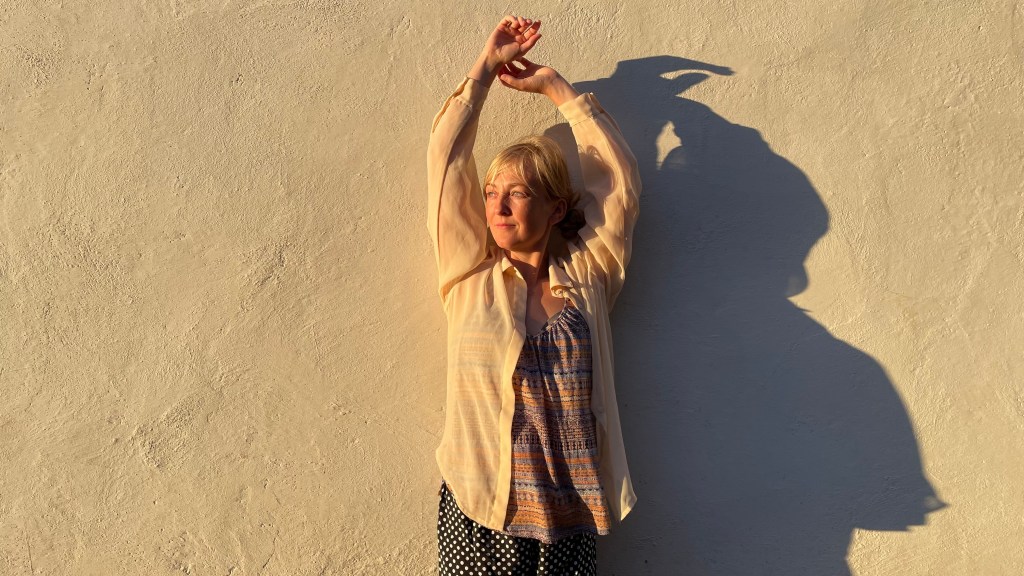
Evelina Boström is a dance artist and educator with over 15 years of experience. She teaches improvisation and contact improvisation at institutions including Stockholm University of the Arts and Balettakademien in Stockholm. She is currently studying physiotherapy at Karolinska Institutet, graduating in summer 2026, and has studied Craniosacral Biodynamics for four years with osteopath Bengt Elmström, alongside maintaining an ongoing treatment practice.
Sat 28/2 16.30
– Unfolding the poetics of anatomical language
You are invited to enter the space (of language, of the body). You are invited to enter language as embodied and body as enlanguaged. You are invited to navigate kaleidoscopic unfoldings of language-body through sensation and imagination. You are invited to dwell in slippages of meaning.
This lab explores the poetics of anatomical language, where terminology and etymology become sites of poetic encounter between language, image, and sensation. We will work with some specific tasks that were the starting point for the installation-performance It’s been a while since you hollowed my bones (2023)— a work that explored performative relationships between language, image, and sensation through a series of choreographic invitations traversing text, sound, film, material sensibilities, and the moving body.
I will propose some tasks from the work for us to explore and develop together, perhaps in different directions than they have previously taken. The lab will be held in English. All languages are welcome.
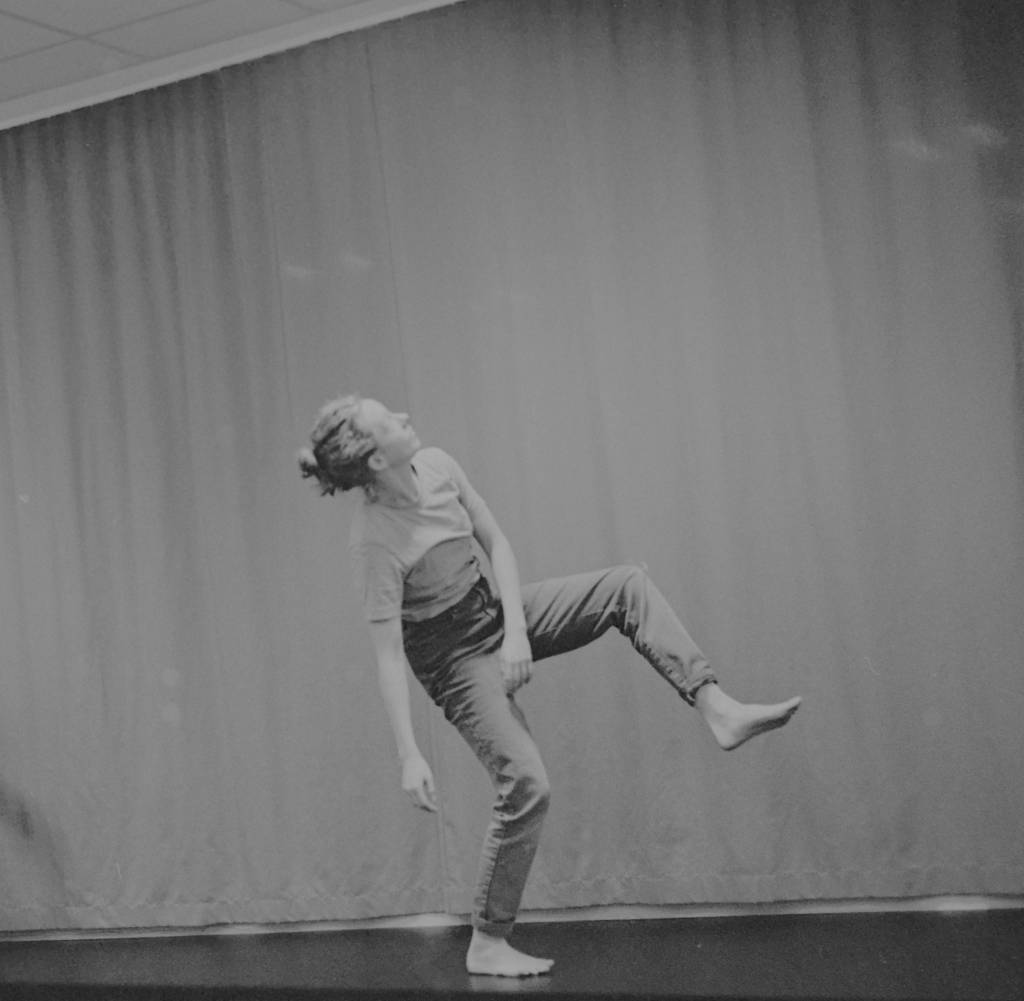
Elise Mae Nuding is an artist-researcher working with choreography, dance, somatics and writing. Her research has a transdisciplinary orientation, and areas of exploration include somatic-linguistic entanglements, improvisation practices, and Contact Improvisation. She is curious about slippages between artistic and pedagogic practices, between practice and theory, and between research epistemologies. Her work has been presented in Sweden, the UK, USA, Portugal, and Germany and her writing has appeared in publications spanning the academic and the creative. She teaches regularly in Sweden and internationally in higher education, professional training, and community contexts. She held the position of lecturer in dance at the University of Gothenburg between 2022-2024 and from 2026 is a PhD candidate at Linköping University.
Sun 1/3 10.00
– HYBRID
A class that cross-pollinates aspects of Contact Improvisation with improvisational performance.
Contact Improvisation started as a performance experiment where dancers explored the pure physics of falling, catching, rolling, and softly “bumping” into each other. Taking inspiration from those early inquiries, we let concepts such as center of gravity, weight articulation, and inertia* become “navigational tools” that help simplify and deepen the improvised moment.
Balancing the use of touch, vision, and sound opens up to “the big picture”; the sense of ensemble, and of spatial awareness. Working with timing – the readiness to pause and change pace in the midst of the flow of movements and impulses – expands the potential for improvisational unpredictability, and the joy of co-creating through dance.
These concepts will be explored in a spirit of collaboration, curiosity, and deep play.
The workshop is open to all levels of experience but will best fit those who like to work with focus and some physical and emotional challenge.
*the natural tendency of objects to stay in motion or rest unless a force acts on them.
Katarina Eriksson has been involved with improvisational dance since 1989, collaborating with artists such as Julyen Hamilton, Cathie Caraker, Bronja Novak Lindblad, and as a member and co-founder of the Swedish improvisational ensemble Floke. She teaches Contact and Dance improvisation internationally, directs performance projects, and freelance as a dancer and performance coach. She is currently tours with Big Wind’s adaptation of The Tempest for young people with special needs, and works on her new project; Devolution – a piece of dance for the unfittest.
Sun 1/3 14.30
– Improvisation in practice
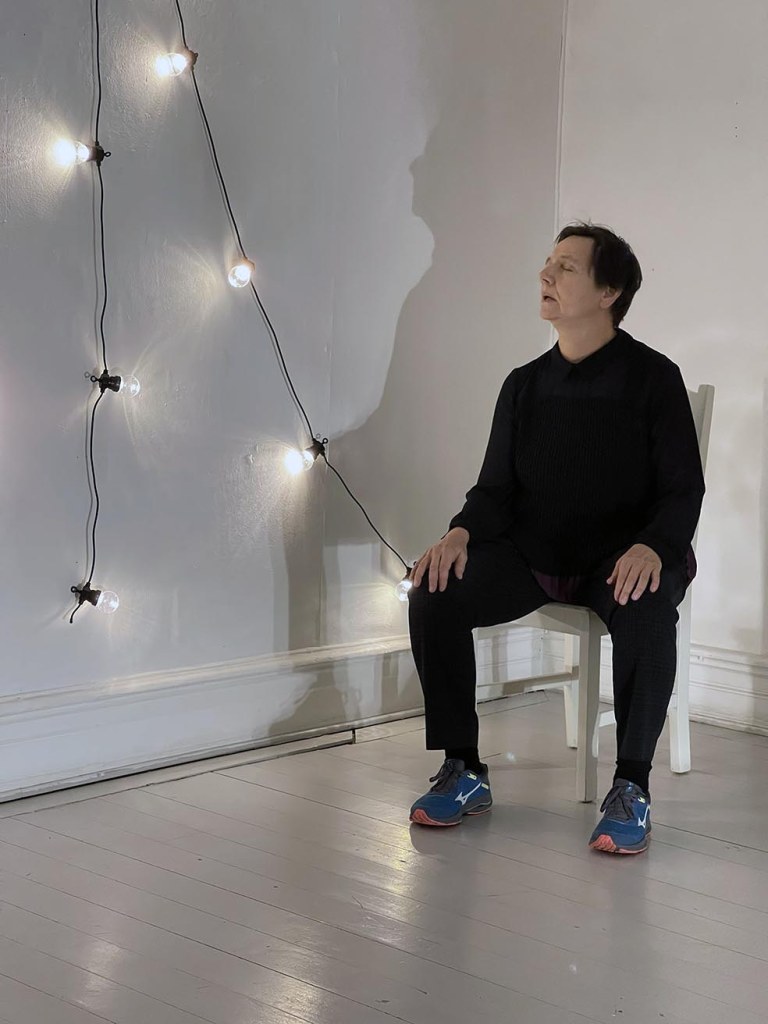
In this short workshop I share one way of practicing dance improvisation and here above all in working with and in the solo format. I will also add a way of giving feedback and talking about “generated material” that has worked well for me for many years. We begin with a warm-up that I usually use before a performance. Some humble improvisation techniques, applicable from an individual platform, will also be included.
Lisa Larsdotter Petersson, performance and visual artist. In the performing arts, the focus is on the art of improvisation. Several major national, international cross-genre projects have been created since beginning of the 2000s. In parallel with projects, including, for example the VARIA festival, several solo and duet performances with musicians have been shown in Sweden and further away. In addition to performing arts, visual art work involves exhibitions, public works, layouts and more.
Sun 1/3 18.00
– Moving in Contact
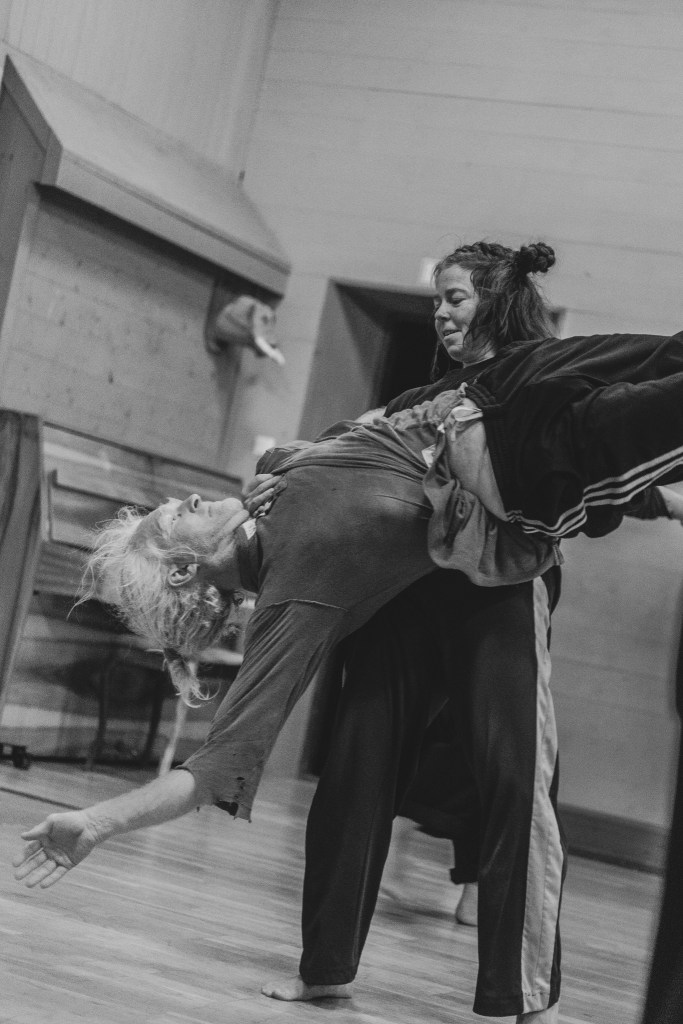
Moving in Contact is magic. Discover your moving engines! Combining tools for moving- using spiraling, pushing, pulling and falling to find a non-muscular way of sharing weight, we can receive a sense of magic touch. Tools and touch that creats dancing together where your motion flies both in an internal and external way. This workshop means training for moving in different levels- from fish to bird and the other way around. Moving in and out of touch as well as playing with weight sharing instead of lifting. We will also practice letting go of control with out losing it. Falling and being up side down with trust. “I like to integrate the unexpected situations in improv through presence, pleasure and playfulness. I dance Contact Impro because i experience the way of mowing together in contact dance as magic. Things happens that i couldn’t dream of…or choreograph. By exploring movement and timing, combined with tools of using surface, weight and lever to find a non-muscular way of taking and giving weight, we’ll receive a sense of magic touch. This leads into dances where we can move others just by moving our own bodies. Dances where different kinds of touch and spiral work can make you a flying sensation.
Måsen Erlandson (SWE) har arbetat som dansare med koreografer och i grupper med officiella stöd sedan 1986. Han har parallellt med det arbetat med improvisation som scenkonst samt gör återkommande communitydansprojekt (inkluderande dans). Han koreograferar sedan 1994 och undervisar modern dans, improvisation, komposition, communitydance och kontaktimprovisation. Måns driver den ideella kulturföreningen Avart dans & rörelse sedan 1994.
MON 2/3 11.00
– Sense of sound
This is a workshop about subtleties, about being aware of nuances, small shifts in tone and tonus. Probably it’s a workshop about space, inner and outer, and how they relate, or not.
It’s definitely about listening.
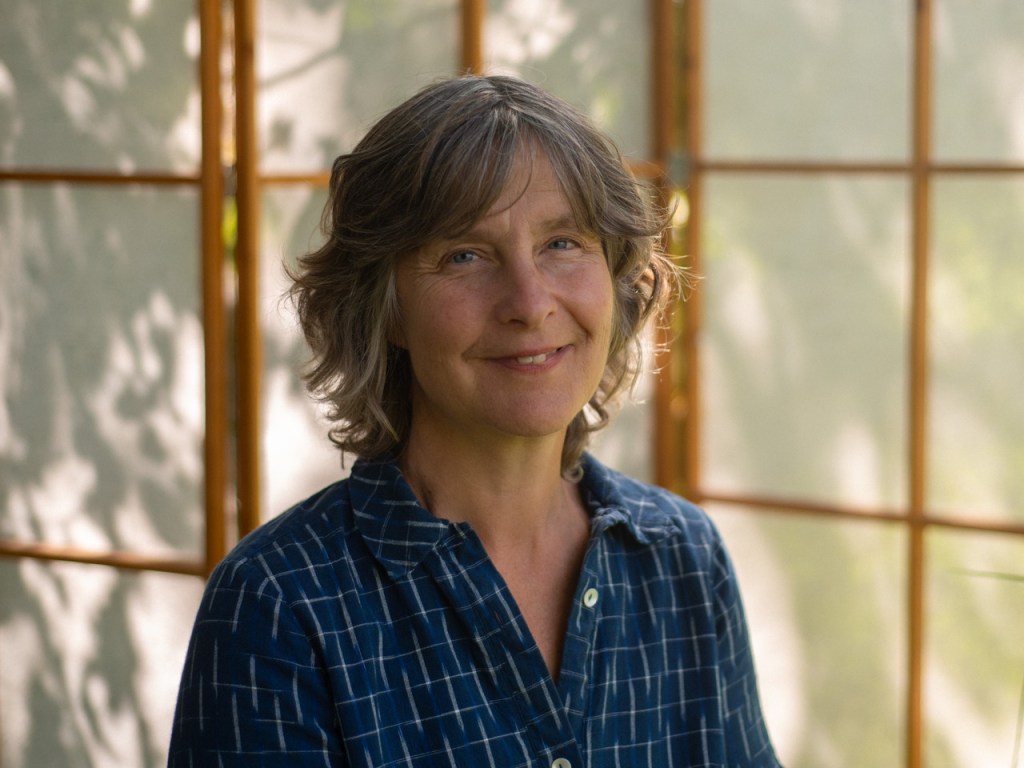
I am used to rural soundscapes and to orient around subtle differences in smells, sounds and colors of seasons. In this workshop I will share inspiration from these landscapes, and from my curiosity to investigate perception of the boundary between audible sound and silence. Sense of sound, materiality, acoustic spatiality are my artistic starting points, always and for this workshop.
We will explore all this together through movement, touch, sound and dialogue. No prior knowledge is required.
My work is grounded in the somaAc approach of Body-Mind Centering®, guiding towards a deep listening of inner sensaAons and outer manifestaAons, toward a body-mind interconnectedness. In my understanding, somaAcs offers a way of perceiving the world from an embodied process of ongoing tuning and finding of resonance.
For more info about BMC® https://www.bodymindcentering.com/
Anna E Weiser is a Swedish composer-choreographer, sound artist, vocal improviser, writer, BMC® Somatic Movement Educator. Based in the countryside of Gotland she is the artistic director of Vibrationsverket. Her artistic focus is spatial sensibility and listening. Working from a somatic perspective she produces/composes-choreographs/performs works for children and adults, creates comprehensive artwork, writes, and teaches. She holds a Master’s degree in Music, and diplomas in SME and IDME.
MON 2/3 13.30
– Basic Balance
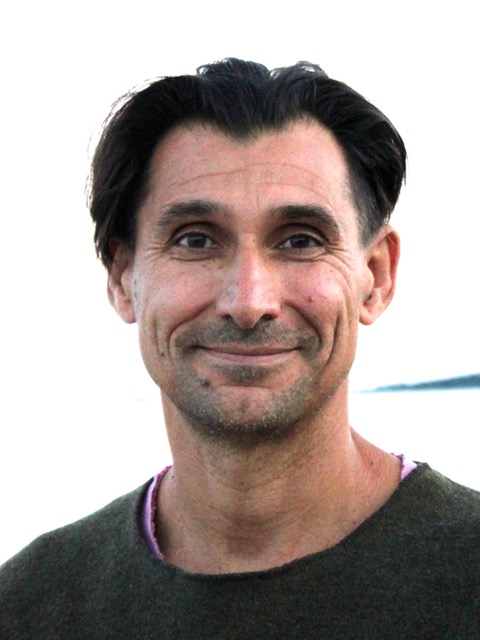
Aligning in relation to space and matter by using the principles of the Alexander Technique
This practical workshop will provide you with new ideas and experiences about balance, habits, co-ordination and movement. The basic idea is to re-engage in the sensory notion of ourselves by working with the principles of the Alexander Technique as mind-body education. Regarding the abilities of the participants, we will explore balancing whilst moving with or without objects.
Participants are invited to recognise the very deep-rooted problem that arises when we want to master body mechanics and make technical considerations. But the task as Alexander Technique practitioners is not to master certain actions. We ask ourselves the question of improving the general use of our self by comprehending the current situation, as an embodied learning of our sense of balance
tue 3/3 09.00
– Material For the Spine
It is a system for exploring the interior and exterior muscles of the back, and aims to bring the light of consciousness to the dark side of the body.
Material For the Spine concentrates accumulated knowledges from Paxton’s study of walking, Contact Improvisation and Aikido practice to explore the movement possibilities in the spine and the connections between the head, pelvis, and vertebrae. This solo practice is a meditative study of a series of exercises, body puzzles and ideokinetic imagery.
“With Material For the Spine, I was interested in alloying a technical approach to improvisational results. It is a system for exploring the interior and exterior muscles of the back, and aims to bring the light of consciousness to the dark side of the body, the dark side of the body, that is, the sides not much self-seen, and to submit sensations to the mind for consideration.” Steve Paxton
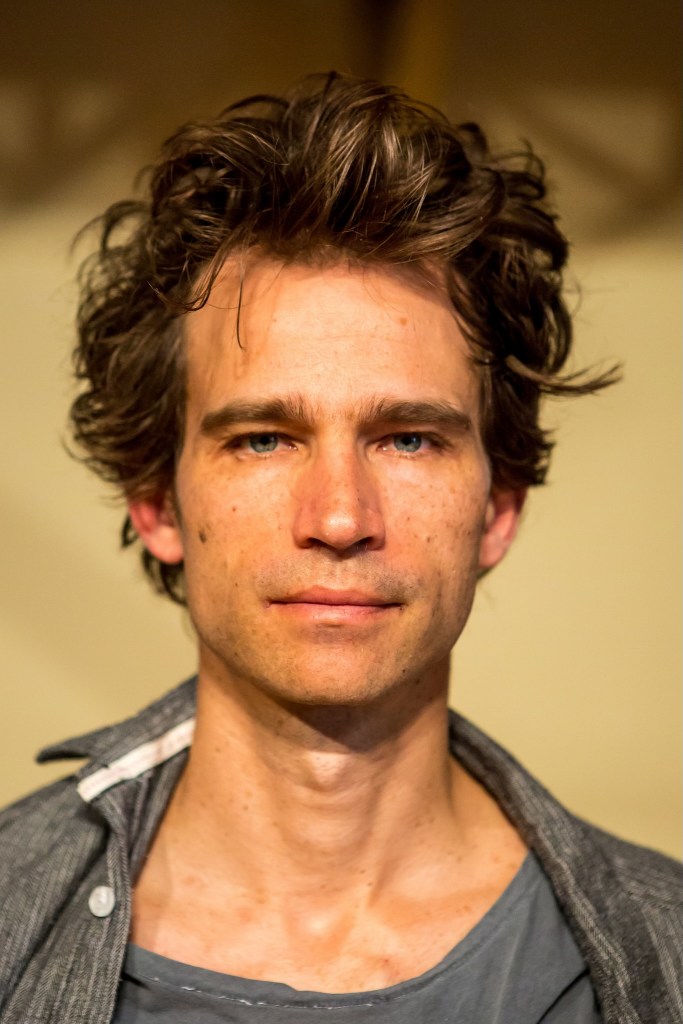
Otto Ramstad, is a dance artist who makes performances, video works and installations for theaters, galleries, museums and different site and context specific encounters. He has an MA in Choreography from KHiO.
For twenty years he has been collaborating with Olive Bieringa as BodyCartography Project. The mission of BodyCartography Project is to engage with the vital materiality of our bodies to create live performance that facilitates a re-enchantment of embodiment, relationship, and presence. BodyCartography has been creating performances, films, installations, and festivals internationally in urban, domestic, wild, and social landscapes. He has toured throughout North America, Europe, Brazil, Japan, Russia and New Zealand.
Thur 5/3 09.00
– Skinner releasing technique
Skinner Releasing Technique™ is a pioneering approach to dance, movement and creative process that has evolved from the simple principle that when we are releasing physical tension, we can move with greater freedom, power and articulation. In SRT classes, spontaneous movement evoked by guided poetic imagery, supported by music and sound, enables a creative and easily accessible exploration of technical movement principles such as multi-directional alignment, suppleness, suspension, economy and autonomy. SRT was developed, from the 1960s onward, by Joan Skinner, who had danced with the Martha Graham and Merce Cunningham companies before embarking on her own exploration of movement as a somatic process. Since then, it has become a significant influence on dance training and creative practice, as well as on leading choreographers and dance-makers across the world.
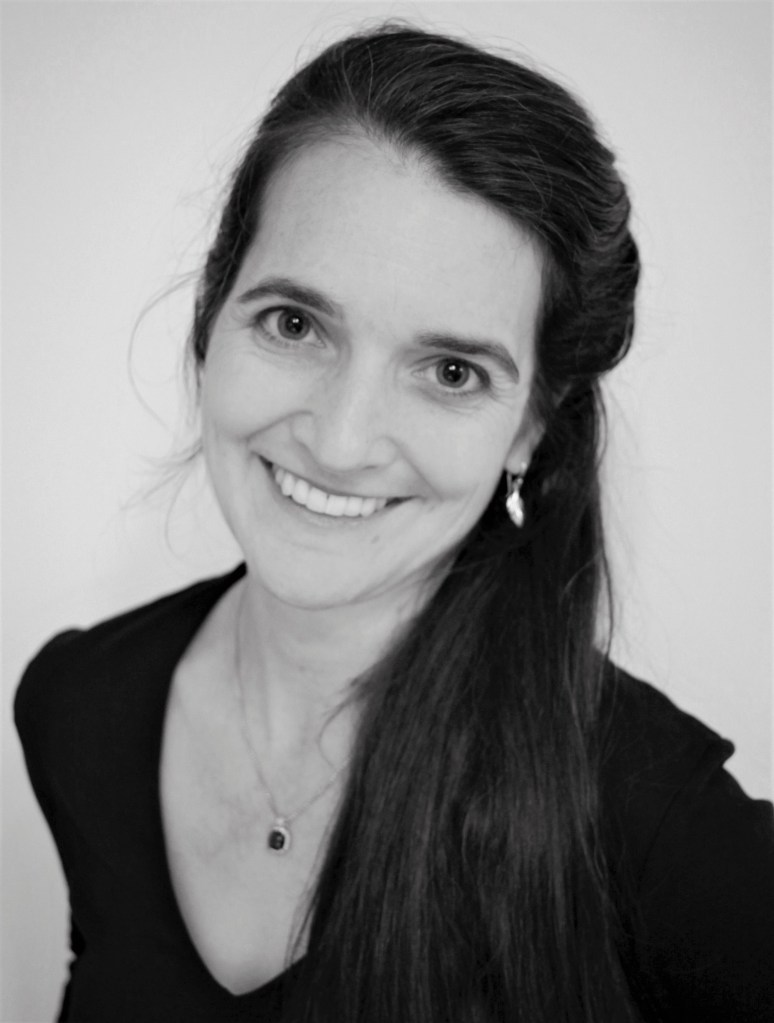
Sally E Dean (NO/UK/USA) is an international performing artist, teacher, and improviser with over 25 years of experience integrating the fields of dance, somatic practices, and costume design. She is currently a PhD Research Fellow at the Oslo National Academy of the Arts, where her research further develops her long-term collaborative Somatic Movement, Costume & Performance Project (2011–present). This body of work focuses on co-creating Somatic Costumes that generate psychophysical awareness and immersive sensorial performances. Her PhD research redefines choreography as the `art of attending´, challenging ocularcentrism to foster embodied reconnection through Somatic Costume and the prioritization of touch.Sally is a dedicated advocate for somatic-based methods, with foundational training in Skinner Releasing Technique, Amerta Movement, Environmental Movement (Helen Poynor), and Scaravelli Yoga. In addition to her own work, Sally has performed for choreographers such as Stephanie Skura (US), Joan Davis (IR), and Katrine Kirsebom (NO). Her site-specific and theatre staged works—ranging from Javanese traditional markets to London’s The Place—have been supported by Arts Council England and the British Council. Her publications interrogate the meeting of somatic practice and costume design to transform the sensorial experience for both performer and audience. www.sallyedean.com
Sat 7/3 09.00
– BodyMind Centering
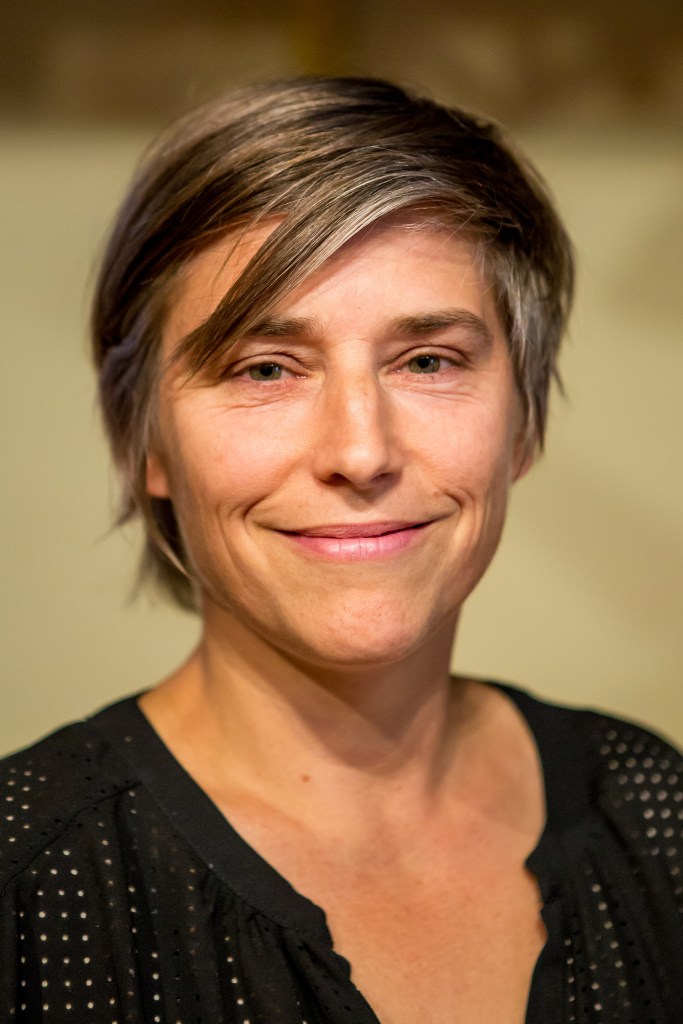
Olive Bieringa works at the intersection of creative practice and pedagogy in dance, performance, somatics and media. Born in Aotearoa, she is a first generation New Zealander of European Jewish descent based in Oslo.
She holds a BA in Dance from European Dance Development Center in the Netherlands and an MFA in Performance and New Media at Long Island University in Brooklyn, NY. She is a doctoral candidate at Uniarts, Helsinki.
She is Certified Movement Therapist (ISMETA), Infant Developmental Movement Educator® and Body-Mind Centering® Teacher and Program Director of Somatic Education Australasia. She is also a Certified Shiatsu practitioner and DanceAbility® teacher, working with performers of all abilities. She has extensive experience working with groups with/without disabilities, youth, and scientists.
Her work has been profoundly influenced by teachers and collaborators including Otto Ramstad, Lisa Nelson, Margit Galanter, Steve Paxton, Eva Karczag, and founder of Body-Mind Centering® Bonnie Bainbridge Cohen.
She was a recipient of Kulturrådet artist stipend 2022, Oslo Kommune stipdend 2020 & 2024, Foundation for Contemporary Art Fellowship 2015 and McKnight Foundation Fellowship 2010.
Olive teaches in dance programs and festivals such as Cullberg Ballet, Stockholm, Carte Blanche, Bergen, TanzFabrik, Berlin, Norwegian Theater Academy, Fredrikstad, Oslo National Academy of the Arts, Impulstanz, Vienna, Movement Research, NYC, Independent Dance, London and for Body-Mind Centering® certification trainings internationally.
Since 2018 she on the board of PRAXIS Oslo where she curates and produces local dance programming. Past curatorial projects include art, and science collaborations such as St Paul’s City Art Collaboratory and SEEDS Festival, improvisational performance events and festivals, and dance film festivals.
Her writings appear in numerous publications including the first two books about site dance internationally: Site Dance, the Lure of Alternative Spaces and Moving Sites: Investigating Site-Specific Dance Performance published by Routledge.
mon 9/3 10.00
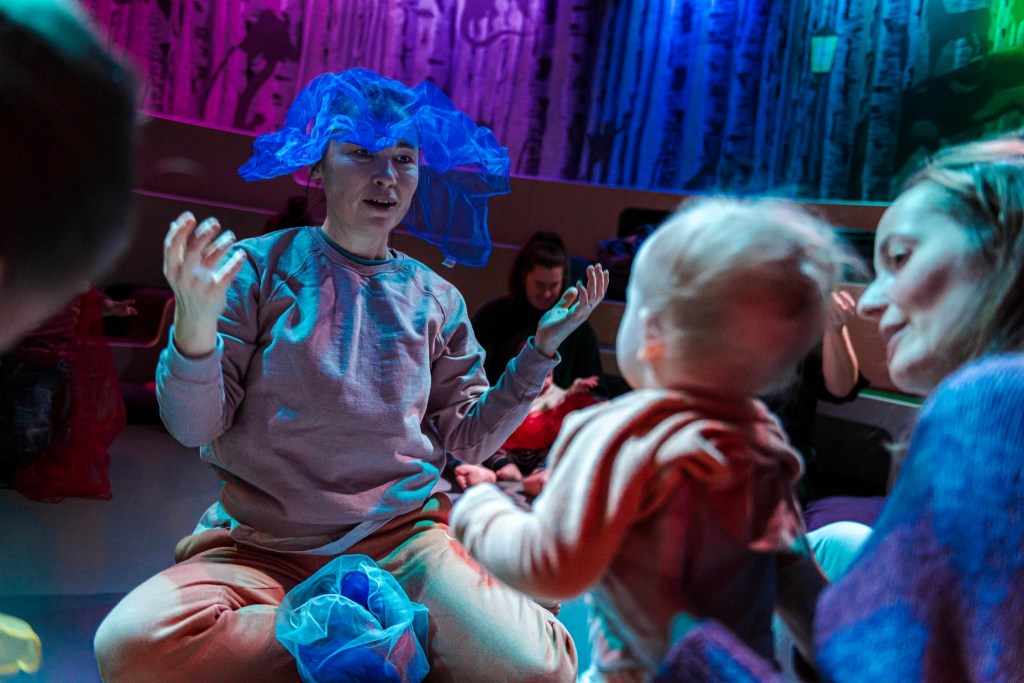
– Dansande bebisar // Dancing babies
– an educational play workshop for greater joy of movement in your baby and you.
How can you mirror your baby and move together with them?
What expressions are there in your baby and where do their movements begin?
Can you improvise a duet together, in full presence?
What does your baby sound like, and how can you communicate with each other through voice?
Through educationally-guided play and creation with your baby’s movement and voice, you dance with each other very close or far away. As babies develop in such quick phases, this is a workshop to stop and pay attention to exactly where your baby is, through movement, sound, and improvising together.
Here you get to go on a journey of discovery with each other in a welcoming room that celebrates and encourages the development that the children are in right at this moment.
This is a workshop that encourages the joy of movement, playing with free creation and expression. Dancers, artists and children are experts in play and curiosity. In this workshop we pay attention in a playful and simple way to how movement, play and curiosity develop together.
We use the body’s budding potential in a playful and simple way to show how movement, play and curiosity develop together, where all expressions are welcome.
Mon 9/3 18.00
– bodymind centering©
pavleheidler (they/them)(adhd-autism)
What is the use of anatomical knowledge for dancers? What difference can knowing we’re experiencing seeing with our brain and not our eyes make? Or that sensing isn’t something we do, but something that happens spontaneously—whether we like it or not?
This workshop revolves around the question of use. The question of use is meant to narrow down our field of vision such that neither somatics nor dancing can escape critical reflection. The way I understand it, it is when we assume either somatics or dancing to be useful – or not useful – “just because” that we start running into trouble. So how do we stop assuming value and begin developing new approaches to practicing somatics as dancers or dancing as somatic practitioners?
pavle heidler
– like many professional dance artists, i started dancing early on in life. through long-term exposure, dancing’s become an integrated part of my life. more than a profession, it’s how i’ve learned to approach and appreciate being in the world. professionally, i operate as a movement-and-word artist and activist, an educator, curator, and a queer critical thinker who specialises in developing research-oriented performative practices within the expanding fields of dance and choreography. my work-ing is meant to be encouraging of the continual re-form-ing in and of the intersectional and the emergent field of queer critical practice.
i am currently touring in two productions in Sweden and abroad, one made for neurodivergent younglings by dalija aćin thelander, and one discussing the value of laughter (in this economy?!) made by jannine rivel. most notably, i’ve worked with the 2024 recipient of the prestigious golden lion, choreographer Cristina Caprioli, for the better part of my late twenties and early thirties dancing, writing, speaking, choreographing, book-making, video-editing, etc.
the practices i am developing and engaging, i think, are first and foremost embodied practices, which necessarily makes them emergent practices, which necessarily makes them liberatory practices; in as much as working with the body, creating space for the body–or: body–necessitates critical study and the re-thinking of the existing structures that currently create and organise spaces for bodies.
tue 10/3 16.30
– Bartenieff fundamentals through neurocellular patterns
Through guided movement improvisation and structured exercises, we explore Bartenieff Fundamentals™ and the neuro-cellular developmental patterns that underlies them. We will explore the notion of weigh and how we relate to gravity through stillness and movement. An inner outer relationship that allows for groundedness and vitality. The Bartenieff Fundamentals™ are practiced slowly and gently, supporting stress recovery, rehabilitation, effortless movement and embodied awareness through repatterning.
TUE 10/3 18.30
CONTACT & CONSENT
More info coming soon!
wed 11/3 18-20.00
– Shiatsu into Movement
In this workshop, we will explore how Zen meridians can inspire dancing. Zen meridians are pathways of energy that run through and across the body, mapped by Zen Shiatsu founder Shizuto Masunaga. Each meridian connects to an inner organ and one of the five elements in Chinese Medicine.
We will explore qualities, dynamics, and experiential connections through movement, touch, improvisational scores and play with how meridians can invite new pathways and directions in dancing. Together, we will investigate one meridian and its connections in depth.
Ina Dokmo is a dance artist dedicated to the sensorial, experiential dimensions of dancing and choreography. Her own dance practice has since 2004 been her journey into fields of knowledge such as Chinese medicine, ecology, embryology and anatomy. Ina often explores relations between humans and more-than-humans. Teaching is an important part of her practice. Ina gives treatments as a shiatsu therapist which profoundly influences her as a dancer, choreographer and teacher.
Thur 12/3 18-20.00
– Dance as a healing art
The work of Anna Halprin
The workshop Dance as a healing art (Anna Halprin) is led by Sofie from Kropp i rörelse and Elin from Waileth and Bardon dance duo, as part of our work with dance as a healing practice. The workshop is based on Anna Halprin’s methodology (Sensory awareness, imagery, nature connection) and we as teachers combine somatic competence, artistic experience and an exploratory approach. The workshop offers structured movement improvisation in combination with drawing and writing.
“Dance as a healing art is traditional in many non-Western cultures, but this application of dance has been obscured and ignored in the Western world. I think this is a great loss and I believe we must reclaim what has been forgotten as we learn more about healing, illness, and death.” Anna Halprin
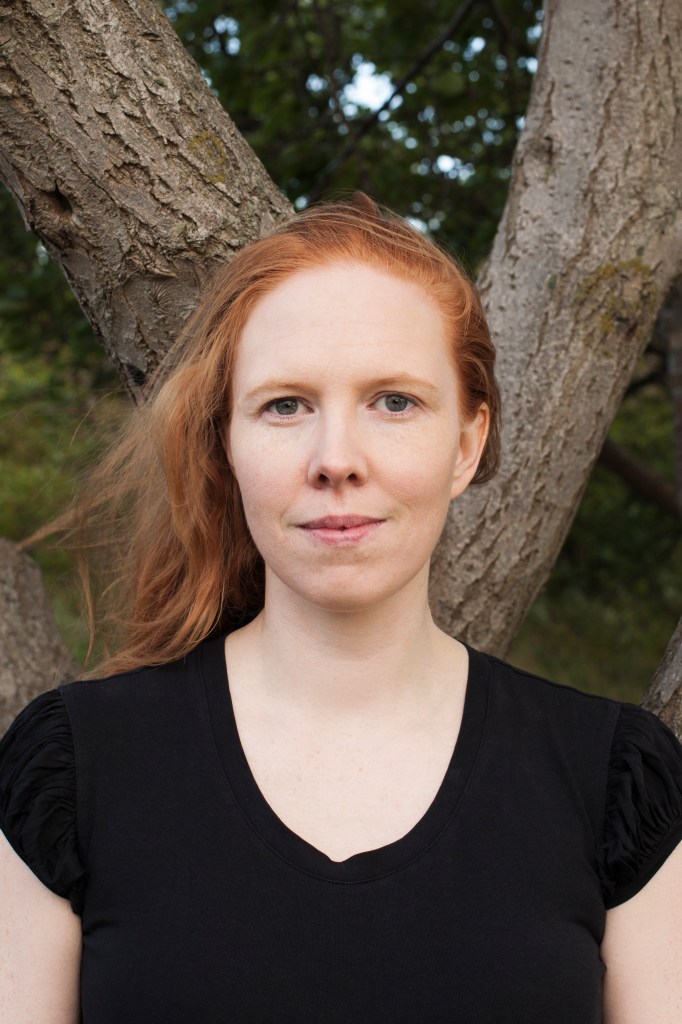
Elin Waileth (she/her)
Dancer & Eurhythmics teacher. Together with Emelie Bardon, she runs the dance duo Waileth & Bardon – dance as an art form and field of knowledge.
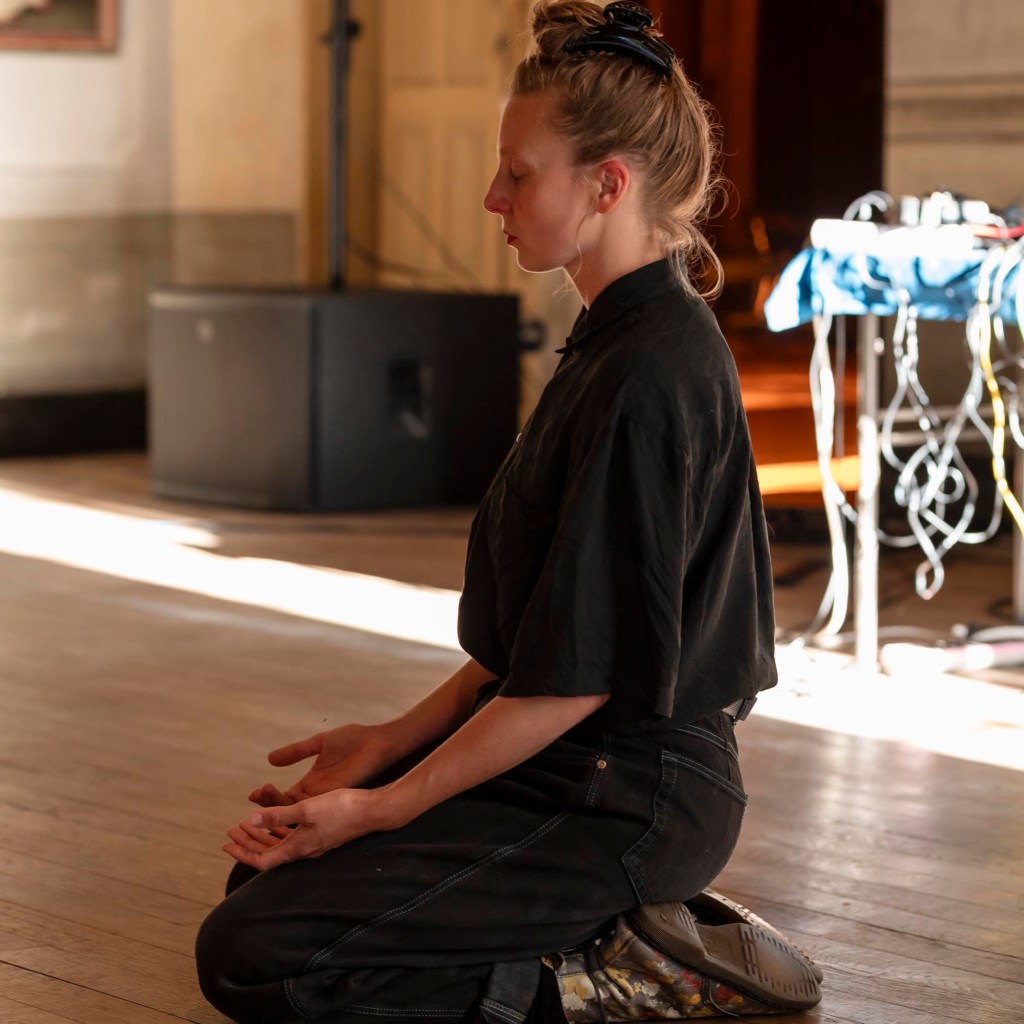
Sofie Malm
Somatic practitioner and bodyworker. Runs Kropp i rörelse (Body in Motion).
Elin and Sofie have both taken a course with Maria Nordlöw, who was taught by Anna Halprin, and they wish to continue exploring this material by using Halprin’s texts as a starting point for this workshop.
SAT 14/3 10-12.00
MOVING FROM TOUCH
EMBODIED ANATOMY, IMAGERY & GUIDED HANDS-ON WORK
What is knowledge? And how do we learn about ourselves, each other and the world through our sensing body? The practices offered in this retreat brings you into a meditative state of deep presence practiced through movement and dance, relating to other humans and the more than human through all of your senses.
Through movement, we practice shifting our experience of ourselves and the world from analytical and word-based thought into an embodied perception of the materiality of yourself and your surrounding. The exercises will give you tools to move effortlessly in a physically and psychologically sustainable way. You will become aware of how you use your attention and how it affects all of your cells in all of your body.
We practice listening to what is there and daring to be in a place of unknowing and unpredictability; of allowing more possibilities for learning, moving and choice-making – for dancing – to be available. We listen and trust the body’s intelligence, archive and process in intimate meeting with the world it is being formed by and forming all the time. Releasing tension and listening deeply to what is there can open up an unrestricted creativity and open up a playfulness, a language, ideas and images that are sitting deeply in your subconscious.
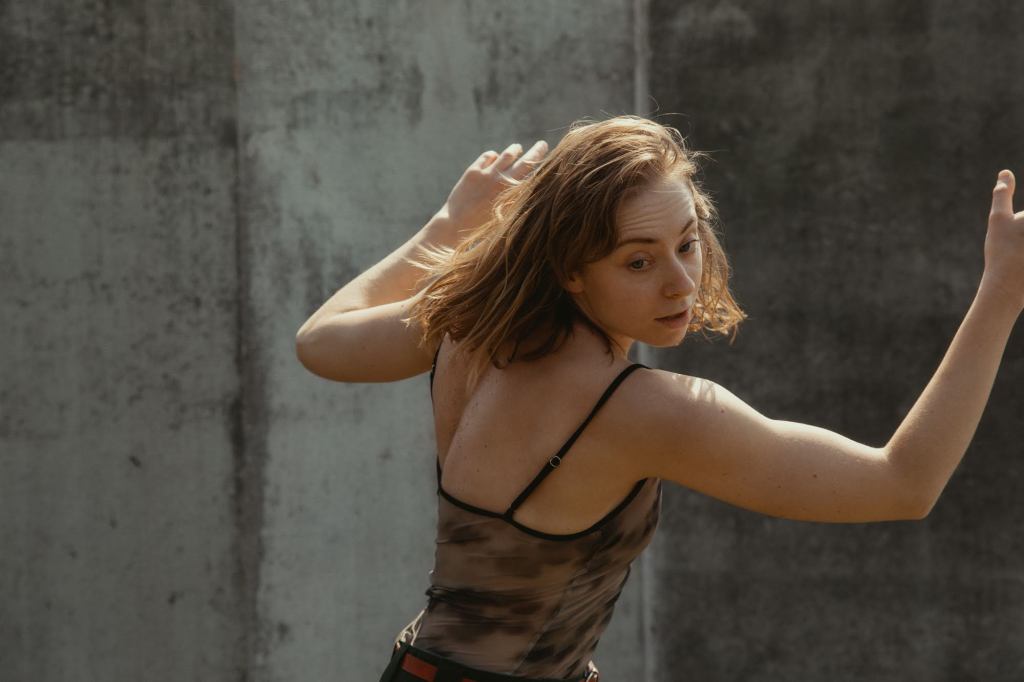
Tuva Hildebrand: “The practice I will offer is an integration of techniques, methods and ideas that I have learnt the last 16 years of my dancing life; from my mentor Eva Karczag, Skinner Releasing Technique, Alexander Technique, BodyMind Centering, teachers of contact improvisation such as K.J. Holmes, Nina Martin, Bradley Teal Ellis, Margaret Paek and methods from many different improvisation, somatic and dance artists in the post-Judson scene during my time studying regularly at Movement Research in New York from 2013-2018. The last 12 years I have also been developing my own artistic work and practice through making performances for theaters and alternative spaces.
SAT 14/3 13-15.00
– Improbable lifts
Improbable lifts is a research practice developed by Katarzyna Paluch and Aaron Lang.
The research stems from the curiosity about what happens when two bodies collide within contextualized physical partnering practices.
Improbable lifts is a partnering practice built on the body’s constant shift between tension and relative relaxation. It explores how two bodies can become one absurd unity, how physical tension constructs relationship and space between us. What possibilities and desires do connected bodies evoke? What support and space can we find within this uneasy structure? How do we navigate the balance between ourselves and the other? What strategies arise, and what difficulties emerge?
We call this practice “improbable lifts” because, even when the partners’ intentions don’t align, moments of poetic power appear – small redefinitions of success emerging from the skewed beauty of a failing collaboration.
Katarzyna Paluch is an artist-researcher specializing in movement improvisation and dance partnering. Her research focuses on the decision-making process, blending analytical thinking with the spontaneity that arises during improvisation. She seeks tools to navigate the complexities of improvisation, balancing control with letting go, and uses these dualities to enrich the creative process. In 2024, she completed an MA in Contemporary Performing Arts at the University of Gothenburg, defending her ongoing research in movement improvisation.
Currently, she is engaged in a research practice on improvised partnering Improbable lifts which she conducts together with Berlin-based artist Aaron Lang. Katarzyna works as a freelance performing artist and teaches workshops from partnering, contact improvisation, floorwork, and movement improvisation. Most recently, in 2025, she has taught at Universidad San Francisco de Quito (Ecuador), Danscentrum Syd (Malmö, Sweden), Studio Nieznane (Poznań, Poland), and No Limits Dance School (Wrocław, Poland). She is a member of Collective Nest and co-organized 5 editions of international contemporary dance festival, DO Festival, in Poland, which provides professional education and supports the freelance dance scene.
SAT 14/3 16-18.00
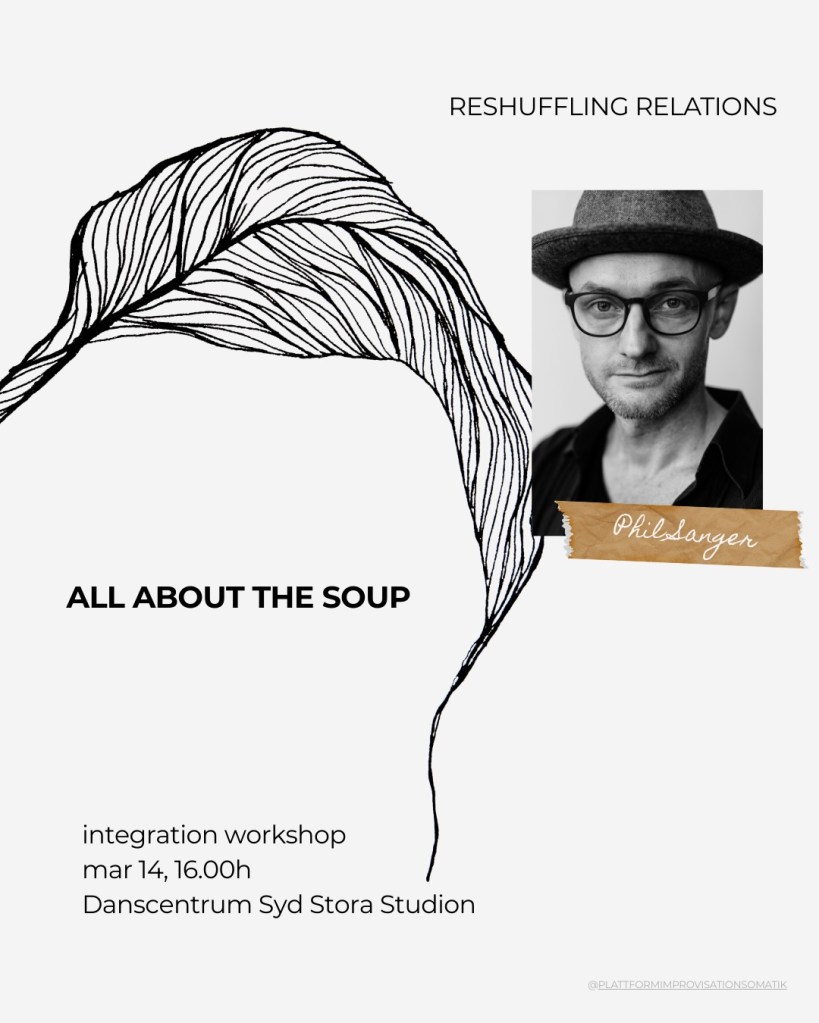
– ALL ABOUT THE SOUP: INTEGRATION WORKSHOP
This integration workshop thinks about the meaning of the phrase “You can’t take the onion out of the soup”. This phrase is often used to describe a situation where a core ingredient or element is so thoroughly blended into the whole that it cannot be removed without destroying the dish (or situation) itself.
This workshop is a welcoming space where self-reflection and creative exploration help us to engage with the festival’s themes through our own practice.
—
Phil Sanger is a doctoral researcher at the Guildford School of Acting, University of Surrey, where his work delves into autobiographical dance performance through performance-generating systems which use of life coaching as a creative medium. A dynamic self-producing artist, Phil brings a wealth of experience as a performer, choreographer, teacher, and certified life coach, crafting a career that bridges artistic excellence with meaningful social impact.
Trained at the Electric Theatre and Northern School of Contemporary Dance, Phil has performed with acclaimed companies such as Phoenix Dance Theatre, Shobana Jeyasingh Dance Company, and Slanjayvah Danza, working with choreographers including Hofesh Schechter, Richard Alston, and Aletta Collins. His freelance career has seen collaborations with Rui Horta, Vincent Dance Theatre, and Denada Dance Theatre, as well as credits in BBC productions like Jonathan Strange and Mr Norrell and Kit Monkman’s Macbeth.
A champion of representation in the arts, Phil has led numerous projects with support from Arts Council England, earning recognition as the 2021 Transform Clore Fellow for inclusion in leadership. In 2022, he founded Ramped, an inclusive performance company creating opportunities for underrepresented groups.
As a former faculty member at the Northern School of Contemporary Dance (2016–2023), Phil developed innovative teaching practices and choreographed extensively for public performances. His workshops blend technical expertise with a supportive, empowering approach, offering transformative experiences for participants of all levels.
Sun 15/3 10-12.30
– skinner releasing for children and childish adults
In this workshop you will experience playful fantastical imagery and touch to bring you into movement. I invite parents to come work in a pair with their child (5-12 years old approx) or adults to join on their own!
In the dance forms Skinner Release Technique and Open Source Forms we use touch and poetic imagery to let go of unnecessary tension, discover new movement pathways and access an unlimited world of creativity. The class atmosphere is gentle, interweaving guided imagery with a variety of musical environments that support and propel us in a comfortable, safe atmosphere.
tue 17/3 18-20.00
– Qi Gong & Intuitive Movement
ALMA SÖDERBERG STUDIO
Qi Gong & Intuitive movement
A practice of not knowing
Beginning with stillness and the body as a gateway to our deepest intuition, we will explore ways of trusting ourselves from a deeper place and deepening our relationship to inner stillness.
I am curious about how the body often holds answers we may not always trust. What happens when we take the time to listen, to feel, and to become friends with the signals the body gives us?
This is a somatic approach to dance and movement practices where my intention is to create spaces where expression emerges from energetic listening rather than effort.
Through my own experience with injuries and mental blockages, I’ve also learned that healing happened when I stopped trying to fix the body and instead learned to listen to it
Using physical and subtle practices such as Qi Gong, intuitive movement and contact improvisation, we will explore ways to empower our whole being and cultivate deeper listening from within.
wed 18/3 18-19.30
– Sense & Sensibility
Contact Improvisation
ALMA SÖDERBERG STUDIO
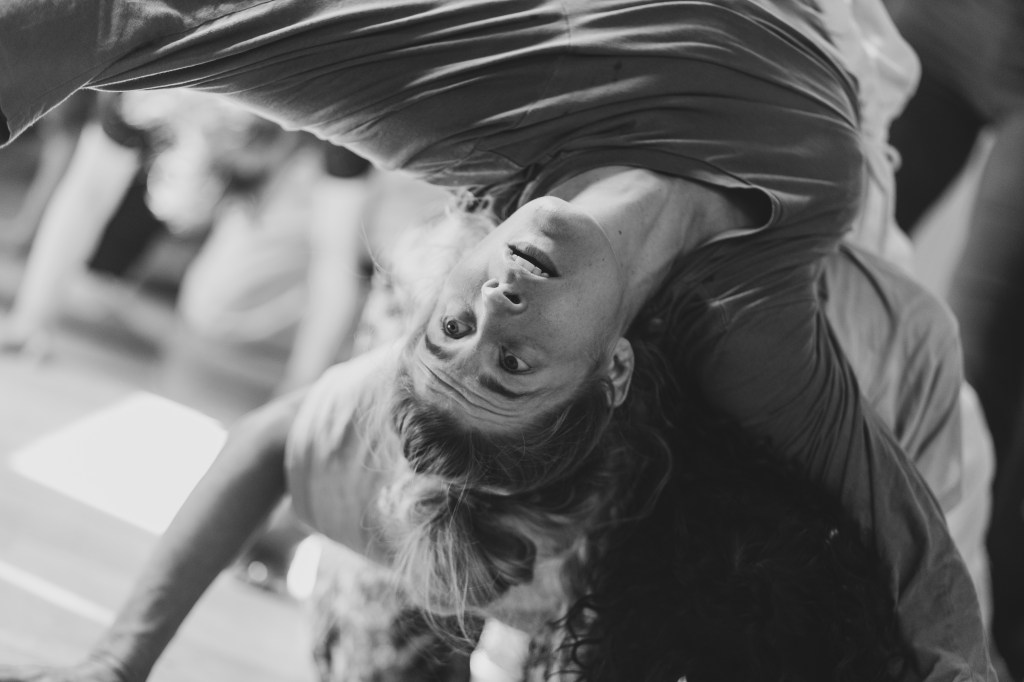
Between the firm demands of listening and the naturalness of improvisational play, this workshop explores the subtle dialogue between structure and freedom, precision and pleasure, attention and release. Participants refine awareness of weight, timing, and touch, cultivating trust, presence, and responsiveness in movement.
Through guided scores, partner work, and group improvisation, the body’s intelligence unfolds. We attune to its subtle details—shifts of momentum, the flow of support, and the quiet textures of touch — discovering how these small dynamics shape the relational dance.
SENSE & SENSIBILITY invites movers to engage fully in the relational, embodied practice of Contact Improvisation. The workshop balances rigor and play, supporting both technical clarity and creative exploration. The session becomes a space to deepen sensitivity, expand range, and develop a refined dialogue with oneself and others in motion.
* This workshop is suitable for dancers and movers with prior experience in Contact Improvisation or related movement practices, welcoming bodies of diverse abilities.
anna vilhelmine wallin (b. 1990) is an artist and educator based in Malmö, working within performance art, somatic practices and participatory research.
Trained in dancetheatre, choreography, somatic practices, interactive art direction and drama pedagogy, she holds a BFA in Performing Arts as critical practice from the Malmö Theatre Academy, and currently completing an MFA in Dance Education as artistic practice at Stockholm University of the Arts.
Her artistic practice unfolds at the intersection of body, place and relation. Grounded in embodied listening, she initiates processes in which expression and material develop in dialogue with participants, where the body is understood as both an artistic tool and a carrier of knowledge. She creates performances, site-specific installations and public events that move between improvisation, social choreography and participatory formats. The works often emerge from a relational and somatic curiosity on what arises in the encounter, which informs her pedagogical practice.
Thur 19/3 18-20.00
– Authentic Movement
SKÅNES DANSTEATER
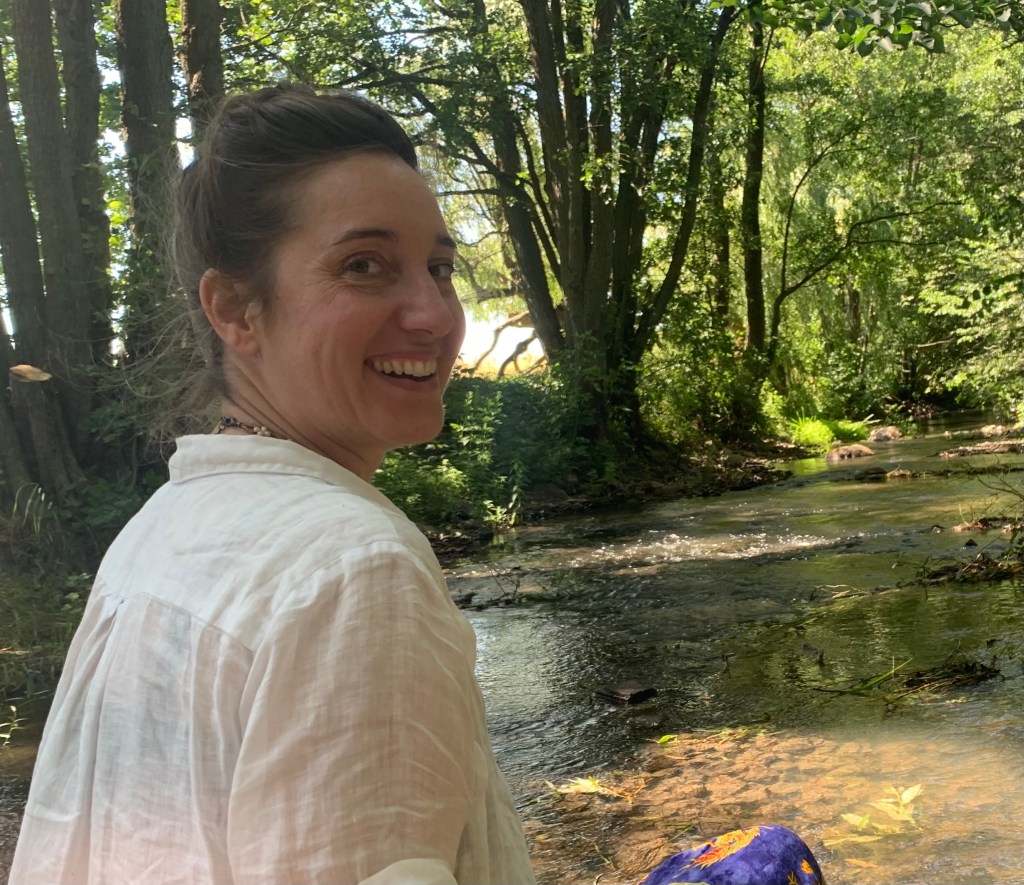
Authentic Movement is a practice where you allow the unconscious to take shape through movement. You listen inwardly and express what wants to unfold in the moment. You move with closed eyes, without music, and let your body and your own movements guide you toward a deeper connection with yourself.
During the session, a witness is always present, supporting the inner witness of the mover, without judgment, projection, or interpretation. After moving, you have the opportunity to integrate the experience verbally and through writing or drawing.
The core of Authentic Movement is to expand consciousness—movement that arises from inner impulses, takes form through the body, and is integrated into awareness.
The simple form creates a safe space built on trust. The mover, with closed eyes, follows their inner impulses and allows themselves to be guided by the body’s innate wisdom. At the same time, the witness/witnesses, with open eyes, observe both the mover and their own internal experiences.
Authentic Movement requires no prior knowledge—only a curiosity about your inner experiences and a willingness to learn more about what it means to be human.
Celine Orman (SE/TR) has a background as a dancer and has been involved in somatic practices for the last 15 years. With an educational background in dance and movement therapy Celine has focused mainly on the practice of Authentic Movement, deepening her practice with the likes of Irmgard Halstrup (Ger), Mandoline Whittlesey (Fr) and Fran Lavendel (Scot).
Besides study and teaching Authentic Movement, Celine leads movement workshops together with Tuva Hildebrand, involving an exploration of the body as an Archive through somatic and creative interventions. Currently she is co-leading a dance initiative for elderly with dementia with dancer and physiotherapist Laura Lohi.
Celine recently finalized the project Maintaining Movement (Bevara Rörelse) at Skånes Dansteater. This began as a research and developmental project for preservation of dance as intangible cultural heritage, and is now an archive practice part of the institution’s ongoing activities.
Sat 21/3 10-13.00
Consensual Fault Lines (LAB)
ALMA SÖDERBERG STUDIO
Through Consensual Fault Lines (CFL), Estrellx will share a roster of practices that they have been developing around the notion of voice-as-limb. This notion arose from a series of workshops they took with Christine de Smedt in Lisbon via PACAP 4 & 6 at Forum Dança. The practices and scores Christine shared encouraged a more playful approach to voice as a performative body. Voice and the construction of voices through language suddenly became an infinite well of choreographic inquiry for me. The practices and scores themselves disrupted my conditioned patterns of making meaning through language allowing another meaning making mechanism to emerge. Furthermore, the workshop sessions awakened a passion for writing lyrics and scripts that I am now actively integrating within my own choreographic works. I have come to understand the ways in which language, tone, resonance and the frameworks through which these are shared are inherently implicated within power dynamics. CFL invites participants to ask themselves, “What will you do with the power of your voice? What needs to be said that has not yet been said? Are the elephants here in the room with us right now and if so, what do they need?”
The roster of practices to be shared during CFL fall under [voice-as-limb], [before-after-core], and [asking for a friend or the interview as somatic framework]. The specific scores to be engaged with will be determined by the energy of the day and the people in the room. The intention behind CFL is to practice activating the power of our voices, noticing how language can limit or expand the energy within our bodies and the rooms we step into and out of, and spell cast more liberatory tones that engender rhizomatic networks of solidarity and care.
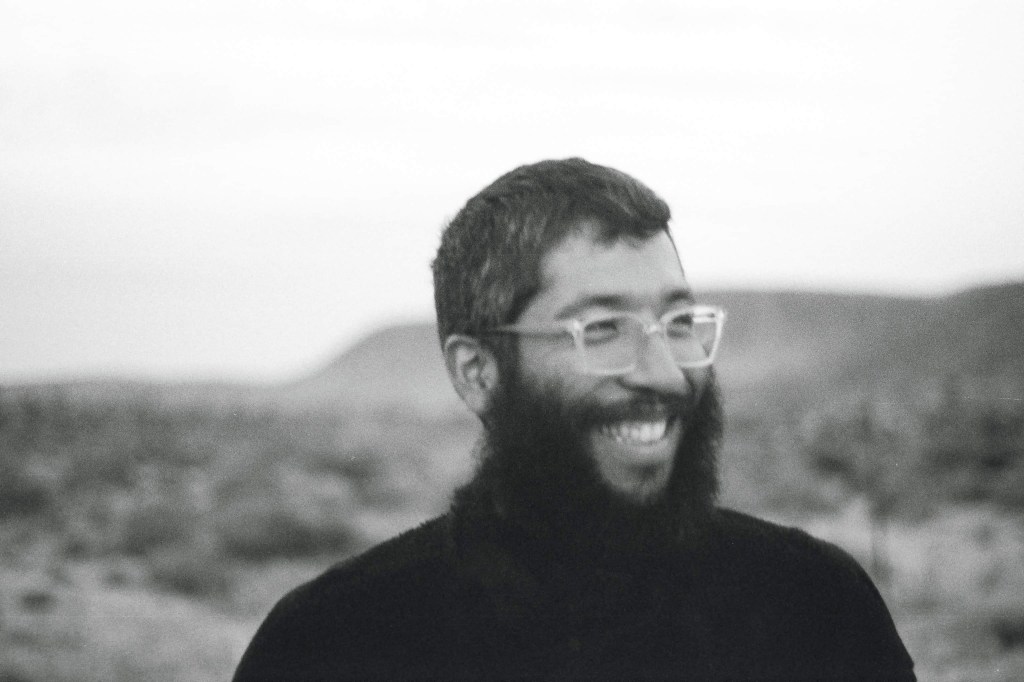
Estrellx Supernova (they/them) is a queer, sound-sensitive, Afro-Guatemalan-American experimental dance artist, performer, writer and creative producer who devises choreographic performance installations, interventions, and situations. Within their work, they use duration, divination, movement improvisation, social dance forms, voice, and drag aesthetics. Some of their current research questions include, “Are we celebrating or mourning or both? What do you really want and how exactly do you want it? What do we do with the legacies we have inherited?”
At-present, they are researching choreography-as-ritual, ecologies of intimacy (e.g. power dynamics, consent, the art of negotiation, intimacy coordination, active witnessing), Americanisms, influencers and pop stars as modern day prophets, and the queering of Christ consciousness through a series of performative episodes called Bottoms for Christ.
Beyond the context of live performance, they design, curate, and co-facilitate somatic performance labs called RHIZOMATICA and are actively authoring a Substack titled Bottoms for Christ (which is where the title of the aforementioned episodes stems from) and a tarot deck called El Tarot de Quebrantamiento (aiming to be published by Dec. 2027)
Their performative and pedagogical offerings can be considered playgrounds where the aforementioned questions, topics, projects creatively collide with the desires of those in the room allowing for slowness, softness, vulnerability, and heart-centered dialogue to emerge.
Sat 21/3 15.00
Phenomenological Practice
An atelier on Phenomenological Practice—a practice grounded in a philosophical approach that elevates our kinship with urban and natural environments.
How is the human-animal body still associated with the natural world? What are the fundamental tools of awareness in our bodily practices? Is dance a vibration, a manifestation of the connections with the natural environment?
Through guidance and durational practice, the atelier intends to enlighten our empirical facts through body senses and deepen our inherent skills by exploring the artificial or natural context in which we operate daily. The atelier approached the significant occurrence, as Merleau-Ponty highlighted that all artistic practices pass through the human-animal body.
This specific workshop is merely orientated in the senses of hearing and seeing.
As ecologists, environmentalists and artists, we often seek to grasp the grace of authenticity, the unspoilt territory that still evokes singularity. The atelier proposes durational guidance tools to explore these topics but humbly questions the purposes of art practice in the environmental/cosmological turmoil.
– For the past 20 years, Philippe has established himself as an international artist in contemporary dance. Starting in Stockholm, he created a flexible organisation to support diverse artistic ventures, evolving his dance practice into a multidisciplinary approach. He later relocated to Brussels to expand his work and start new collaborations in the domain of Fine Arts/Visual Art. While maintaining a strong interest in performative art, Philippe focused on the complex questions on arts and cultural political paradigm. Between 2018 and 2022, he developed a curiosity for sociology, art situationism, and political activism, all while teaching choreographic composition at several art universities in Copenhagen, Paris, and Stockholm. To sustain himself economically and maintain artistic freedom, he operated independently of public funding during that period. In 2022, Philippe began his studies in Art and Ecology at Darlington Art School, from which he graduated in 2024. His practice now focuses on temporality and ephemerality. Recently, he was commissioned to lead a new work in collaboration with Skånes Dansteater, which is due to premiere in July 2026.
 PLATTFORM FÖR IMPROVISATION & SOMATIK